
Steam vs Abrasive Peeling: How to Choose for Your Line
Steam and abrasive roller peeling are the two workhorse peeling methods for potatoes and root crops. They differ in how they remove skin, what they need from your utilities, and where they fit. Bigtem builds both, so the recommendation follows your crop.
Bigtem USA engineering guide · updated October 2026
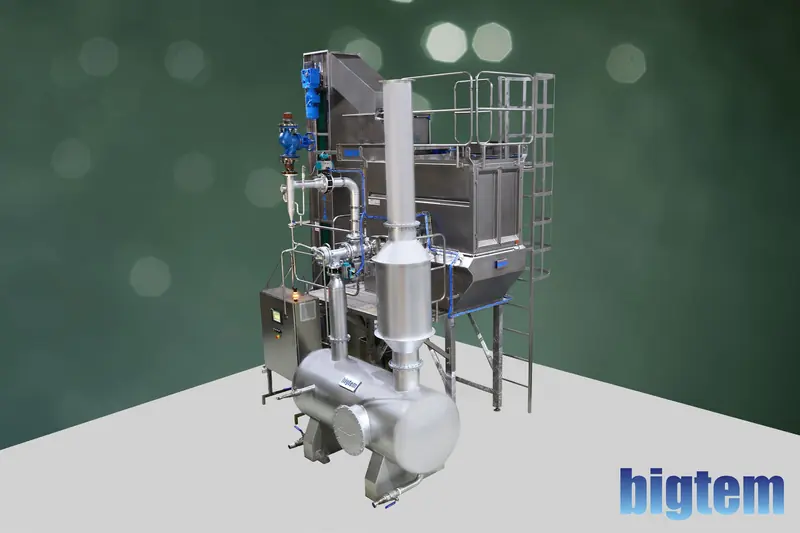
- Steam peeling suits high tonnage and irregular product and usually loses less flesh, but it needs steam at the peeler.
- Abrasive roller peeling suits smaller lines, onions and firm, uniform product, and needs only power and water.
- Bigtem builds both, so the choice follows your crop, tonnage and utilities.
How steam peeling works
A batch of product is weighed into a pressure vessel. The vessel is sealed and filled with high-pressure steam while it rotates, so every surface is exposed. Steam heats only the outer layer. When the pressure is released in one step, the moisture under the skin flashes to vapor and lifts the skin. A brush or dry-peel finisher then removes the loosened skin with little water.
Because the cycle is controlled by time and pressure, a PLC can store recipes per crop and variety. On the DORUK steam peeler, six vessel sizes cover about 1.5 to 28 t/h of potatoes on the Bigtem spec sheet. The Gentle steam peeler runs fruit such as peaches at lower pressure (8 bar on the spec sheet) without lye.
How abrasive roller peeling works
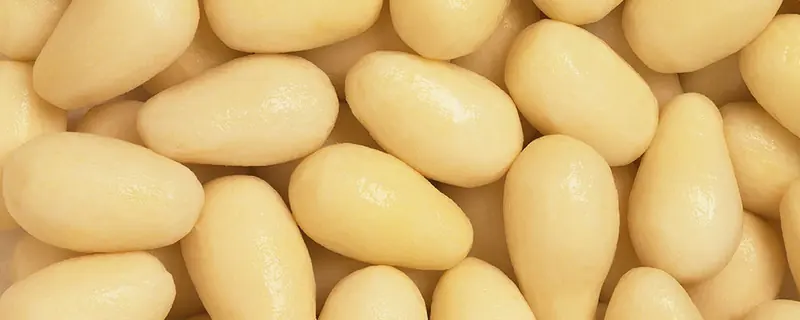
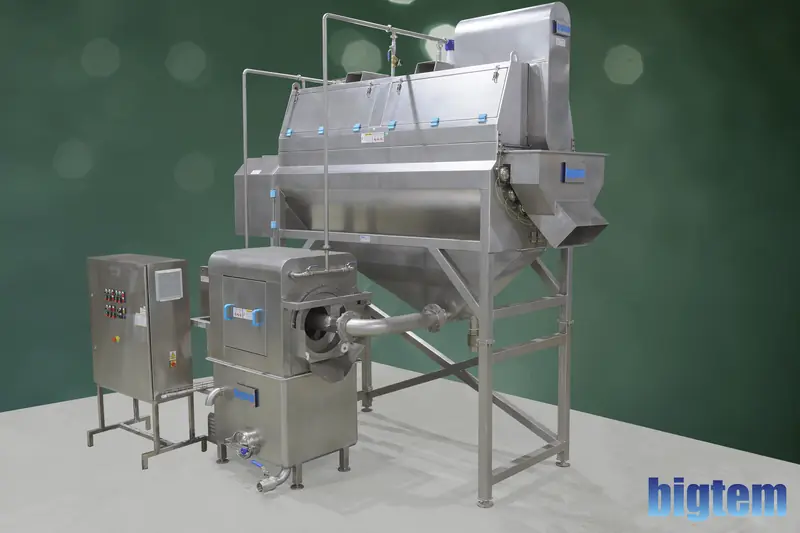
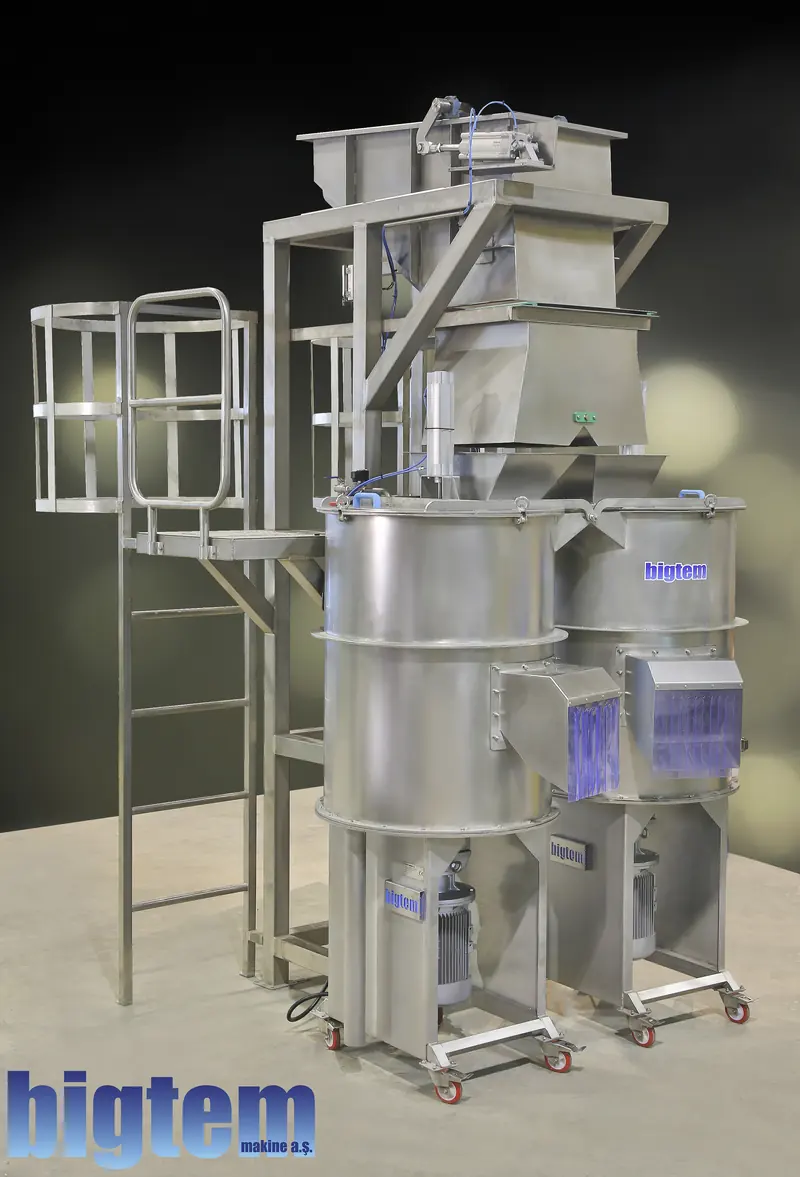
Product tumbles over a bed of rotating rollers with an abrasive surface. Friction removes the skin, and spray bars wash the peel away. Dwell time, roller speed and grit decide how much is removed. Peel water carries solids, so a filtration system or scrape filter keeps water use down. Bigtem builds horizontal roller peelers and a vertical abrasive peeler for batch work.
Side-by-side comparison
| Factor | Steam peeling (DORUK) | Abrasive roller peeling |
|---|---|---|
| Peeling principle | Pressurized steam heats the outer layer; a sudden pressure release lifts the skin, and a finisher removes it | Rotating abrasive rollers rub the skin off while spray water carries peel away |
| Spec-sheet capacity | DORUK: about 1.5 to 28 t/h of potatoes over six models (Bigtem spec sheet) | Sized per project; ask Bigtem for the model that fits your tonnage |
| Utilities | Steam (up to 15 bar on DORUK), water, compressed air, power, exhaust and condensate routes | Power and water; no steam |
| Product shape | Handles irregular shapes and eyes well, because steam reaches the whole surface | Best on fairly regular, firm product; deep eyes may need trimming |
| Flesh loss | Typically lower in published trials on potatoes | Typically higher in published trials, depending on dwell time and roller grit |
| Batch or continuous | Batch vessel with a short cycle; output is continuous after the finisher | Continuous, or batch with the vertical abrasive peeler |
| Typical crops | Potatoes, sweet potatoes, carrots, beets, celeriac; fruit and tomatoes with the Gentle peeler | Potatoes for chips and smaller lines, carrots, onions after top and tail, mixed root crops |
| Footprint | Vessel, platform, steam separator and finisher | Compact: roller bed plus peel water handling |
Steam capacity from the Bigtem Ordinary & Gentle Steam Peelers technical specifications; t/h = metric tonnes per hour, approximate, depending on crop, variety, size and condition. Flesh loss: published university trials on potatoes, such as the University of Maine experiment station bulletin; results vary with settings.
Five questions that decide it
- What is your tonnage, now and in five years? Steam peelers scale from about 1.5 to 28 t/h of potatoes in one vessel on the Bigtem spec sheet. Small and mid-size lines can run either method.
- Do you have steam at the peeler? If the boiler and header can supply the steam a peeler needs (listed per model on the spec sheet), steam is an option. If not, abrasive avoids a boiler project.
- How much does flesh loss cost you? On high-tonnage potato lines, a small difference in peel loss adds up to a lot of raw material each season. That usually favors steam.
- What does the product look like? Irregular shapes, deep eyes and mixed sizes favor steam. Firm, uniform product peels well on rollers.
- What happens after the peeler? Fry lines with water-knife cutting want a clean, evenly peeled tuber; chips lines and fresh-cut lines have different tolerances.
When plants use both
Many plants are not either-or. A potato plant may steam peel for fries and run an abrasive peeler on a second product. An onion line uses abrasive or air peeling after top and tail cutting. A small starter fry line may start with abrasive peeling and add a steam peeler as tonnage grows. Use the sizing calculator to see which steam peeler range fits your tonnage.
Build your equipment ROI case with the free ProcessorROI calculator. A free online tool for rough labor, yield, energy and payback estimates you can bring to a capex meeting. Enter your own plant numbers.
Open the ProcessorROI calculator (external site, opens in a new tab) ↗
Steam vs abrasive peeling: FAQ
Is steam peeling always better for yield?
Not always. Published potato trials generally show lower flesh loss with steam, but the result depends on cycle settings, product condition and the finisher. For small lines or plants without steam, abrasive peeling is often the practical choice.
Can one line use both?
Yes. Some plants steam peel potatoes and use abrasive peelers for onions, carrots or a second product.
What capacity does an abrasive peeler have?
It depends on roller length, product and the peel target. Bigtem sizes abrasive peelers per project rather than publishing a single figure.
Do steam peelers need certification in North America?
The pressure vessel does. Bigtem steam peeler vessels have US and Canadian certificates.
Which peeler for sweet potatoes?
Steam peeling is usual for sweet potato fries because of their irregular shape. See sweet potatoes.
Related: Peeling systems · Steam peeler replacement · Sizing calculator
Not sure which peeler fits?
Send your crop, tonnage and the steam available at the peeler. We will recommend steam, abrasive or both.