
From Raw Potato to Chips: The Processing Steps Explained
A chips line turns raw potatoes into a thin, crisp, evenly colored snack. Each step affects color, oil content and breakage. Here are the steps in order.
Bigtem USA engineering guide · updated October 2026
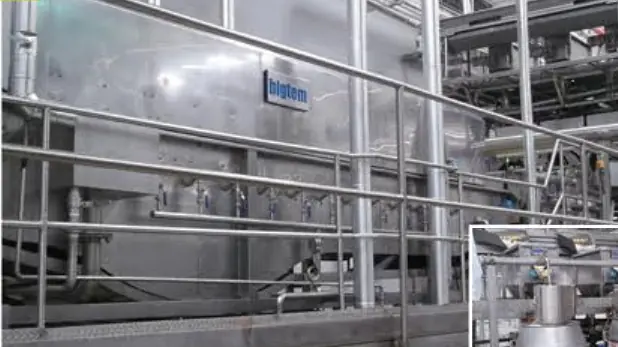
Receiving and grading
Chipping varieties with low sugars give light color. Even feeding and size grading keep slices uniform.
Washing and stone removal
A stone trap and washer remove the soil and stones that would damage slicers.
Peeling
Abrasive roller peeling is common on chips lines; steam peeling is used at higher tonnage.
Slicing and starch washing
Slice thickness is the main quality variable. Washing off surface starch keeps slices from sticking in the fryer.
Blanching and dewatering
Optional blanching lowers sugars for lighter color. Dewatering removes surface water before frying.
Frying and de-oiling
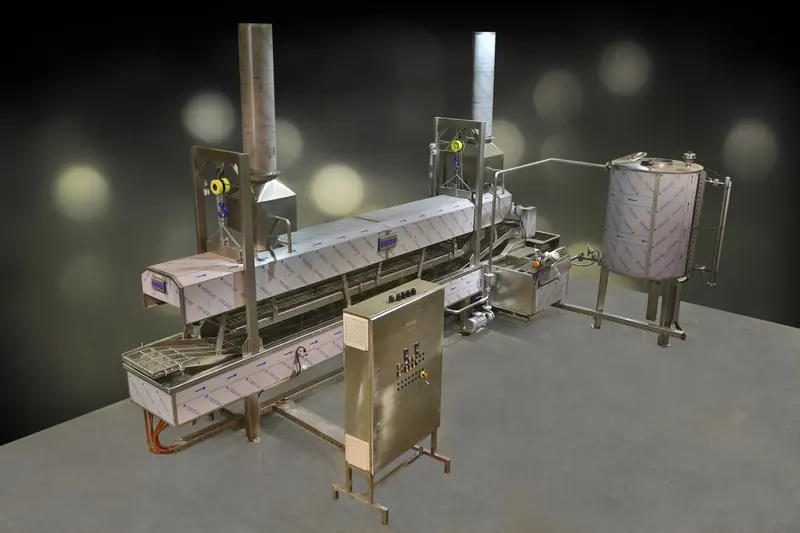
A continuous fryer gives steady output; a batch fryer makes kettle-style chips. De-oiling and cooling follow. See the chips line.
Seasoning, inspection and packing
Seasoning drums coat the chips, metal detection and weighing protect the customer, and bagging and boxing finish the line, all from Bigtem.
Related: Potato chips line · Potatoes
Tell us your crop, capacity and timeline
A Bigtem USA engineer will review your project and follow up with a recommended configuration and a utilities outline.