
Peeling Systems and Yield: Choosing the Right Method
The peeler is where a processor first loses raw material. The right method and settings decide how much good flesh stays on the product and how much trimming follows.
Bigtem USA engineering guide · updated October 2026
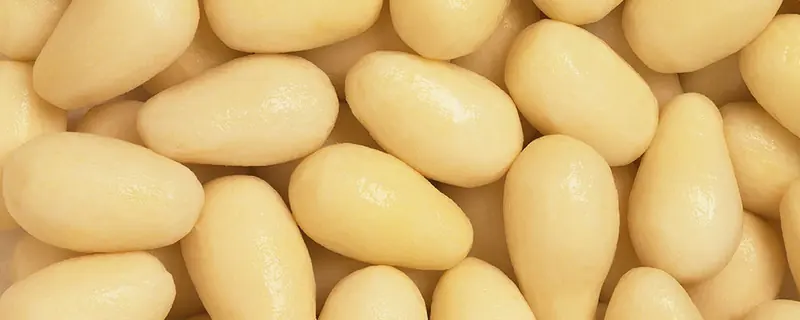
Why peeling defines what follows
Uneven peel means more trimming, more rework and more variation in cutting and frying. A consistent peel makes every downstream step easier.
Steam peeling
Pressurized steam and a flash release lift the skin, and a finisher removes it. It suits potatoes, sweet potatoes, carrots and beets in the DORUK, and peaches, tomatoes and peppers without lye in the Gentle.
Abrasive roller peeling
Abrasive rollers and spray water rub the skin off. It is compact, needs no steam, and suits smaller lines, chips potatoes and mixed root crops. See the abrasive peeler.
Air peeling and other methods
Garlic cloves are peeled with compressed air to avoid damage. Roasted peppers lose their charred skin after the roasting tunnel. See other peelers.
A decision framework
- Crop and shape
- Tonnage now and later
- Steam available at the peeler
- Value of the raw material
- What the next step needs
Settings matter as much as the machine
On steam peelers, pressure, steaming time and release are stored as recipes per crop and variety. On abrasive peelers, dwell time and roller speed set the result. Trials with your own product are the best guide.
FAQ
Which peeling method has the lowest loss?
For potatoes, published trials generally show lower flesh loss with steam peeling, but settings and product condition matter.
Related: Steam vs abrasive · Peeling systems
Tell us your crop, capacity and timeline
A Bigtem USA engineer will review your project and follow up with a recommended configuration and a utilities outline.